


At the very top of the watch market, value isn’t defined by materials alone.
It’s defined by rarity, innovation, and moments in history that can never be repeated.
These are the pieces that have crossed the block not just as watches but as milestones.
Leading the conversation is the Patek Philippe Reference 1518. Introduced in 1941, it was the world’s first serially produced perpetual calendar chronograph a technical breakthrough that changed watchmaking forever. With only 281 pieces ever made, and even fewer in stainless steel, its rarity is unmatched. One example sold for approximately £17.6 million, cementing its place as one of the most valuable wristwatches ever offered at auction.


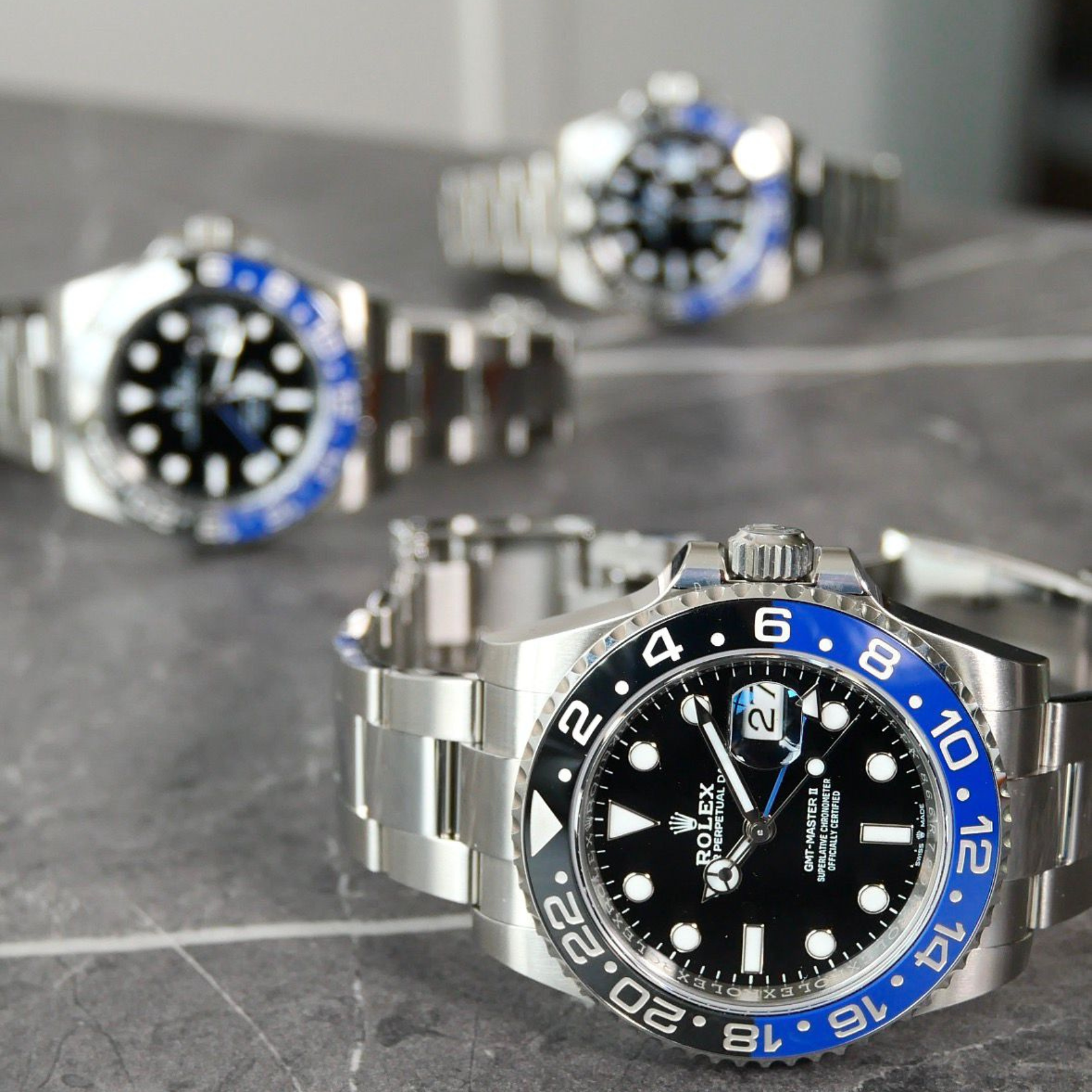
Then there is the Rolex Reference 6062 a model that blends complexity with unmistakable Rolex design. Introduced in 1950, it features a triple calendar and moonphase complication, housed in rare variations including yellow gold with diamond set markers. With only around 350 pieces produced, its scarcity continues to drive demand, with auction results reaching over £6 million in recent years.

Pushing the boundaries of independent watchmaking is the F.P. Journe FFC Prototype. Created in collaboration with filmmaker Francis Ford Coppola, the watch features a fully mechanical automaton hand that displays the hours a concept rarely seen in modern horology. In 2025, it achieved a staggering £10.75 million at auction, setting a world record for an independent watchmaker and redefining what collectors value in contemporary pieces.

The Patek Philippe Reference 2499 stands as one of the most revered vintage watches ever created — a direct successor to the legendary 1518, and a benchmark for what high complication watchmaking should be.
Produced between 1950 and 1985, the Reference 2499 was never mass made. Instead, it was released in four distinct series, each with subtle design variations that today define its desirability among collectors. Across all series, production remained incredibly limited, reinforcing its position as one of the rarest perpetual calendar chronographs in existence.
What sets the 2499 apart is its balance.
It carries the same technical DNA as its predecessor a perpetual calendar combined with a chronograph but introduces a more refined, modern case design, larger proportions, and stronger visual presence. It is widely regarded as one of the most perfectly executed complications in horological history.
At auction, values vary significantly depending on series, case material, condition, and provenance. Yellow and pink gold examples remain highly collectible, but it is the rarest variations that command the strongest results.
