

It’s easy to believe every luxury bag is an investment.
The truth? Some appreciate over time and others steadily lose value.
In today’s resale-driven market, the difference isn’t luck. It’s understanding what actually drives demand.
The first factor buyers look at is condition. Even minor scratches, stains, or a softened structure can significantly reduce resale value. Luxury, at its core, is about preservation — and the closer a piece remains to its original state, the stronger it performs.
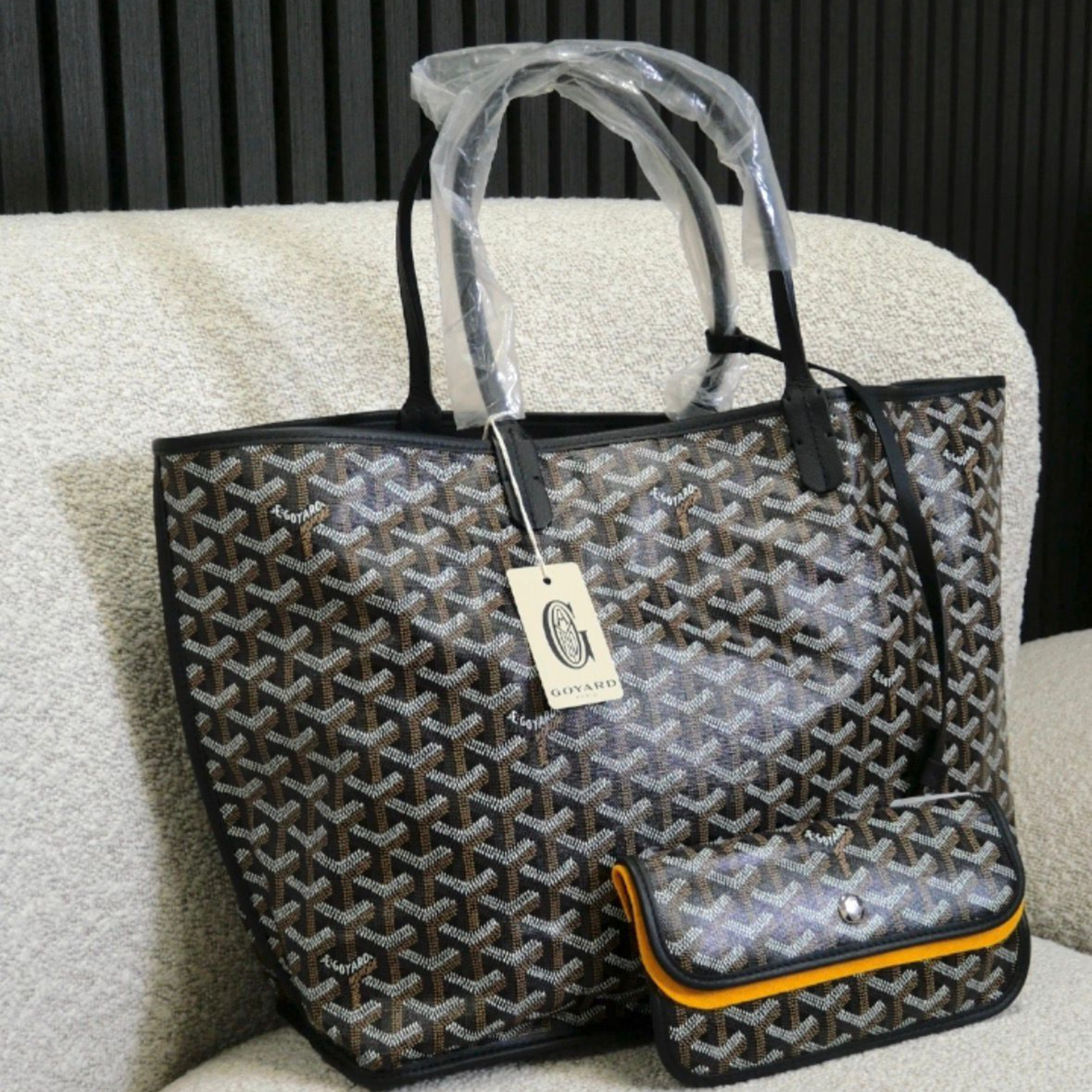
Colour plays a bigger role than many expect. Classic shades such as black, gold, and etoupe consistently hold demand due to their versatility and timeless appeal. Seasonal colours, while visually striking, often struggle in the resale market where longevity matters more than trend.

Then there’s the power of the model itself. Iconic designs like the Hermès Birkin, Hermès Kelly, and Chanel Classic Flap continue to command global demand. But even within these, value isn’t guaranteed size, hardware, leather type, and market timing all influence performance.
Exclusivity is what truly shapes value. When a bag becomes too accessible or overly saturated, demand softens. Scarcity, on the other hand, creates pressure and pressure drives price.
Because luxury isn’t just about owning something desirable.
It’s about owning something others can’t easily access.
Ultimately, buying a luxury bag is about more than aesthetics. It’s about awareness. Understanding the model, condition, colour, and market demand can be the difference between a considered purchase and a costly one.
Because in luxury, not everything holds value.
But the right pieces?
They define it.