
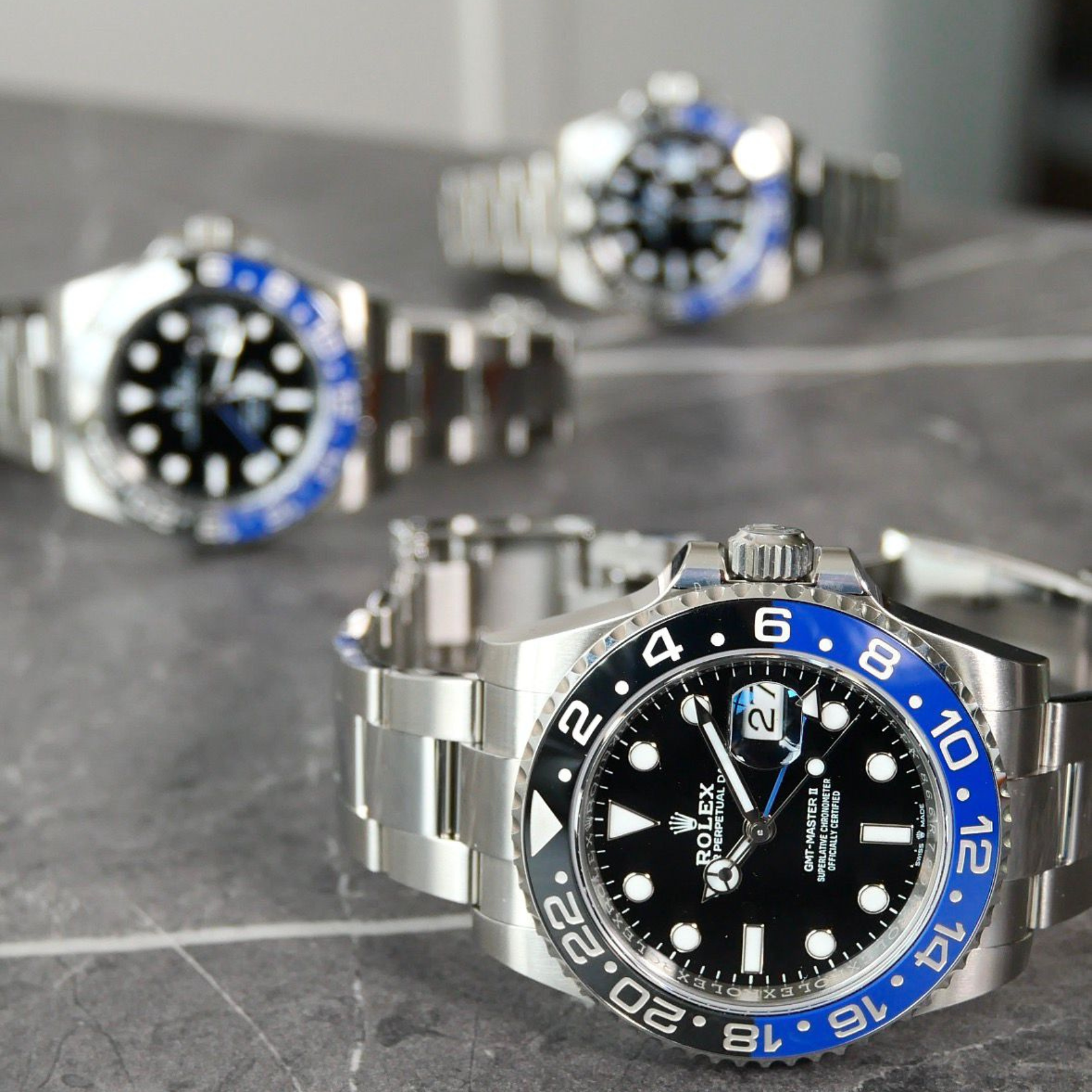


Long before dive watches became status symbols, a simple Rolex Oyster proved that innovation doesn’t happen in laboratories alone sometimes it happens in open water.
In 1927, Mercedes Gleitze became the first British woman to swim the English Channel, completing the crossing in a gruelling 15 hours. Around her neck, suspended in the cold salt water, was a Rolex Oyster not as ornament, but as an experiment.
Days later, during her now-famous “vindication swim,” Rolex formally tested its revolutionary waterproof case in real conditions. The watch remained submerged for over ten hours in open sea. When Gleitze emerged, the Oyster was still running perfectly. A quiet technical success that would go on to redefine the wristwatch forever.
That exact watch worn, tested and proven by the sea is now heading to auction with an estimated value of £932,000. Nearly a century on, it represents more than early Rolex history. It marks the moment when wristwatches stopped being fragile instruments and started becoming tools of endurance.
This November, the piece will cross the block at Sotheby’s Geneva, carrying with it not just rarity, but narrative. In today’s market, collectors are no longer chasing age alone — they are chasing firsts. Turning points. Proof.
This Oyster is exactly that. A watch that didn’t just survive history, but helped create it.
So the question isn’t whether it’s worth nearly £1 million.
It’s whether you’d want to own the moment that changed watchmaking forever.