

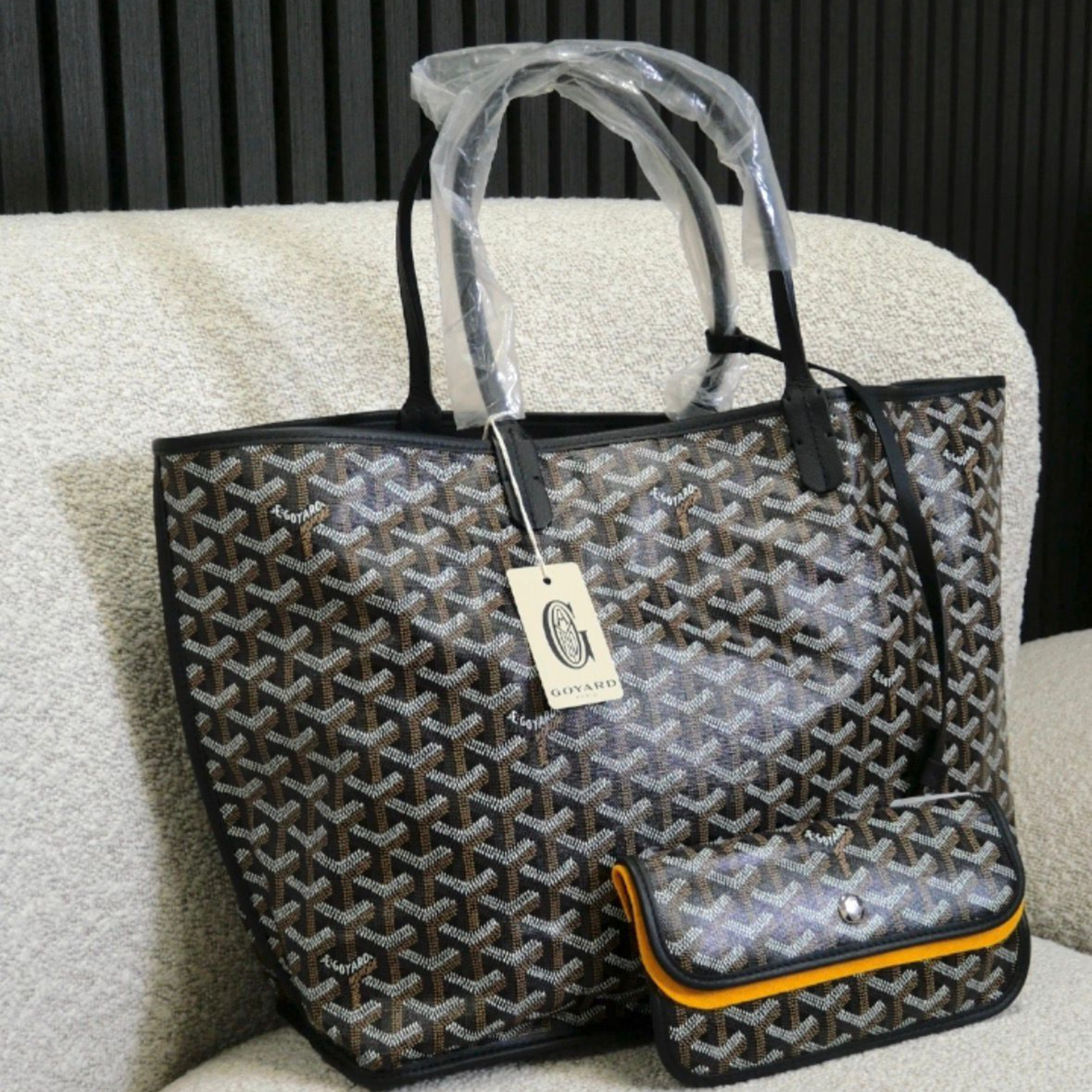

There are moments when the luxury world stops feeling indulgent and starts feeling historic. This is one of them.
Jane Birkin’s original Hermès Birkin handbag has just sold at auction for an extraordinary €8.6 million, setting a new benchmark not only for handbags, but for fashion as a serious asset class. Designed for Jane Birkin herself, the piece is no longer simply an icon of style, it is a cultural artefact with financial gravity.
For decades, Hermès has occupied a category of its own. Scarcity, craftsmanship and an almost stubborn refusal to scale have turned its handbags into something closer to portable property than accessories. This sale underlines a truth seasoned collectors have understood for years: Hermès is not about trend, it is about permanence.
What makes this moment particularly striking is what it says about modern luxury. In a world of fast fashion cycles and short-lived hype, the Birkin continues to behave like a blue-chip asset. Values appreciate, demand intensifies, and provenance compounds worth. It is fashion, yes but it is also strategy.
Today, buying a Hermès bag is no longer just an emotional decision or a status signal. It is increasingly a calculated one. Whether acquired as a personal milestone, a generational gift, or a long-term hold, these bags sit comfortably alongside watches, art and fine jewellery as stores of value.
If there was ever hesitation about investing in a designer handbag, this auction result answers it decisively. Hermès pieces are not fleeting luxuries. They are legacy objects designed to be worn, treasured, and quietly accrue value over time.
In short, this isn’t a shocking time to be alive.
It’s simply the market recognising what London, Paris and the world’s most discreet collectors have always known.